RBI Recurring Payments Guidelines: 15 Proven Strategies to Dominate Compliance & Scale Subscription Revenue
Published on: Thu 30-Apr-2026 02:08 PM
The term recurring payments has become one of the most important pillars of the digital economy. Whether you are a SaaS company, OTT platform, fintech startup, or EdTech provider, the ability to accept recurring payments reliably determines long-term revenue stability.
What is recurring payment
A recurring payment is an automated transaction where a customer authorizes a business to charge them periodically without manual intervention. These payments are commonly used for:
Subscriptions (Netflix, SaaS tools)
Memberships
Installment plans
Utility billing
Recurring payment meaning in modern digital economy
The recurring payment meaning has evolved significantly. Today, it represents:
Predictable cash flow
Customer lifetime value optimization
Scalable global business models
According to industry insights, subscription businesses grow 3–5x faster than traditional transactional businesses.
Why recurring payments are critical for global businesses
If you are entering India, recurring payments are not just an option—they are essential. However, due to RBI regulations, businesses must adapt their systems to comply with local laws.
RBI Recurring Payments Framework: Complete Breakdown
Why RBI introduced strict recurring payment rules
The Reserve Bank of India (RBI) introduced these guidelines to address:
Unauthorized auto-debits
Rising fraud complaints
Lack of customer control
Reference: RBI official guideline page https://www.rbi.org.in/
Core RBI guidelines explained in detail
AFA authentication deep dive
Additional Factor Authentication (AFA) ensures every user explicitly consents to transactions.
Key points:
Mandatory during mandate creation
Required for transactions above ₹15,000
Typically done via OTP
This adds friction—but significantly improves trust.
E-mandate lifecycle
The e-mandate system includes:
Registration
Authentication
Storage (tokenized)
Execution
Renewal or cancellation
This lifecycle ensures transparency and traceability.
Pre-debit notification system
One of the most important RBI requirements:
Notify users 24 hours before debit
Provide transaction details
Allow opt-out
Transaction thresholds and exemptions
Transaction Value | Requirement |
≤ ₹15,000 | Auto-debit allowed |
> ₹15,000 | Requires AFA |
Recurring Payment Processing: Technical Deep Dive
Architecture of recurring payment processing
Recurring payment processing is not just automation—it is a complex orchestration between:
Payment gateways
Issuing banks
Card networks
NPCI (for UPI)
Tokenization and card-on-file systems
India mandates tokenization:
Replaces card details with tokens
Prevents data breaches
Improves compliance
Payment gateways and APIs
Modern systems rely on APIs to:
Create mandates
Trigger payments
Handle failures
Role of banks and networks
Banks validate mandates and execute transactions, ensuring compliance with RBI rules.
Real Impact of RBI Guidelines on Businesses
Subscription revenue disruption
When RBI guidelines were implemented, many global companies saw:
20–40% drop in success rates
Increased churn
Revenue loss
Increased decline rates
Payments fail due to:
Missing authentication
Expired mandates
Customer inaction
Operational overhead
Businesses must now invest in:
Compliance systems
Notification infrastructure
Customer support
How to Accept Recurring Payments in India (Expert Guide)
Step-by-step compliance implementation
Choose RBI-compliant provider
Enable e-mandates
Integrate AFA workflows
Implement notifications
Optimize retry logic
Choosing the right payment partner
This is the most critical decision.
A partner like Transact Bridge can:
Act as Merchant of Record
Handle compliance
Manage global payments
Visit: https://www.transactbridge.com/
Mandate registration optimization
Best practices:
Simplify onboarding
Use clear messaging
Reduce friction
Handling failed transactions
Smart retries
Alternative payment methods
Customer reminders
Industry Focus: B2C eLearning Companies Recurring Payments
Why EdTech depends on subscriptions
B2C eLearning companies recurring payments models dominate because:
Students prefer flexible plans
Courses require long-term access
Revenue becomes predictable
Revenue leakage due to compliance gaps
Many EdTech companies lose revenue due to:
Failed mandates
Poor retry strategies
Lack of localization
Winning strategies for EdTech companies
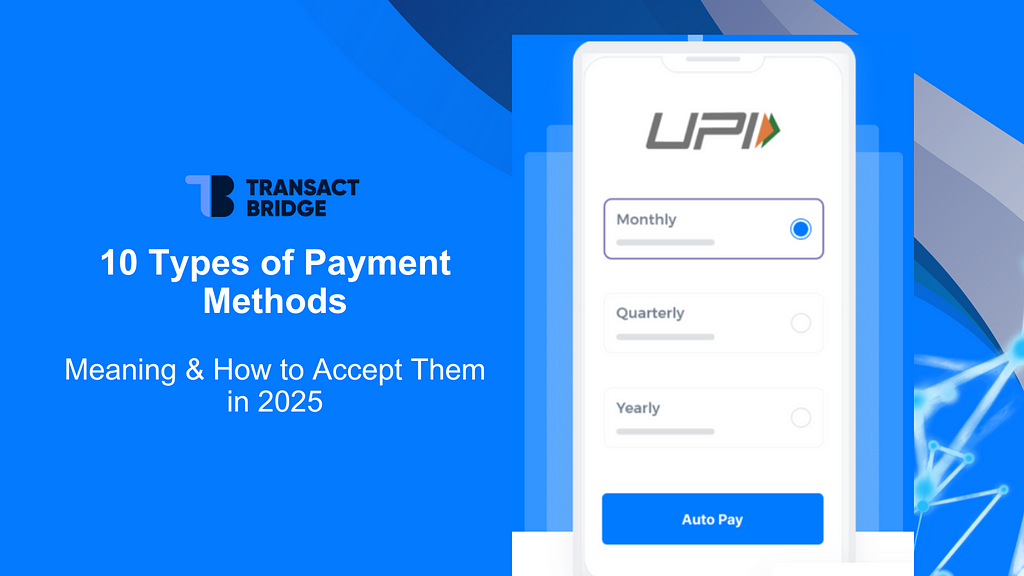
Use UPI AutoPay
Offer EMI/subscription hybrids
Use localized payment flows
Global Comparison: Zelle Recurring Payments vs India
US vs India infrastructure
Zelle recurring payments operate without heavy regulatory layers.
India requires:
Authentication
Notifications
Compliance checks
Regulatory vs frictionless systems
Feature | India | US |
Security | High | Moderate |
Friction | High | Low |
Compliance | Strict | Flexible |
Merchant of Record & Seller of Record (Critical for Global Expansion)
Legal compliance simplification
Merchant of Record (MoR) handles:
Payment compliance
Fraud management
Regulatory obligations
Tax and invoicing automation
Seller of Record (SoR):
Handles GST
Manages invoicing
Ensures legal compliance
How Transact Bridge Helps Businesses Scale in India
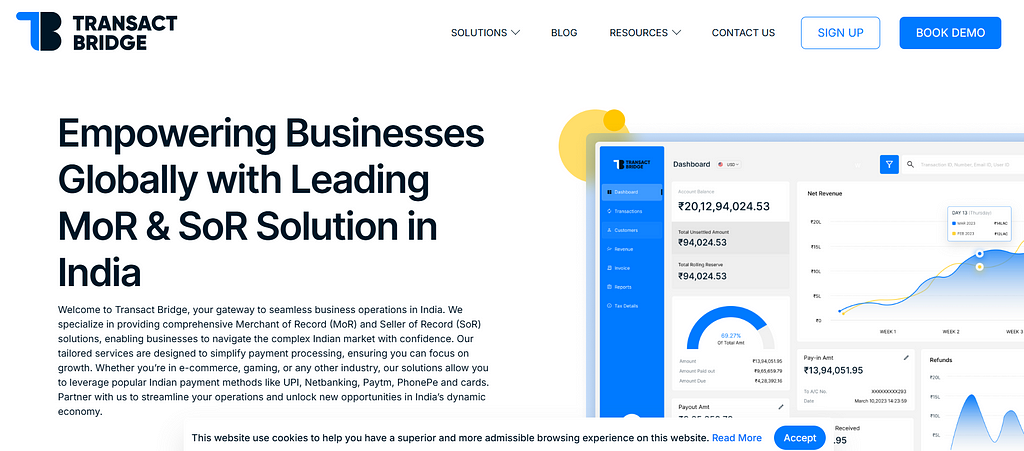
Transact Bridge provides a complete infrastructure for businesses entering India.
RBI-compliant recurring payment processing
Fully compliant systems
Automated AFA
Notification engine
Global payment orchestration
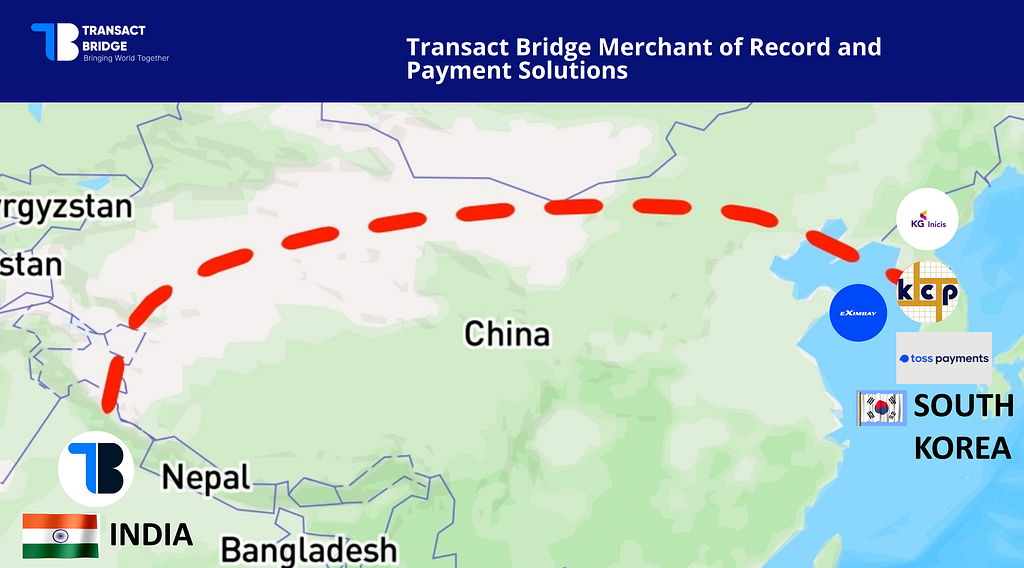
Supports US & India markets
Multi-currency processing
Local payment methods
Merchant of Record capabilities
Compliance handled end-to-end
Tax management
Reduced operational burden
Advanced Optimization Strategies for Recurring Payments
AI-driven payment retries
AI can:
Predict best retry time
Increase success rates
Reduce churn
Smart billing cycles
Align billing with salary cycles
Reduce failures
Reducing involuntary churn
Proactive reminders
Easy payment updates
Multi-channel communication
Future of Recurring Payments in India
UPI AutoPay dominance
UPI AutoPay is expected to dominate due to:
Simplicity
High adoption
Low friction
Subscription economy boom
India’s subscription economy is projected to grow exponentially in:
SaaS
EdTech
OTT
Regulatory evolution
RBI may introduce:
Higher limits
Reduced friction
Faster authentication
FAQs
1. What is recurring payment?
It is an automatic payment charged at regular intervals.
2. What is recurring payment processing?
A system that automates billing cycles securely.
3. How can businesses accept recurring payments in India?
By using RBI-compliant payment providers like Transact Bridge.
4. Why are RBI rules strict?
To ensure security and prevent fraud.
5. Do B2C eLearning companies rely on recurring payments?
Yes, subscriptions are their primary revenue model.
6. Are Zelle recurring payments available in India?
No, they are primarily US-based.
Conclusion
RBI’s recurring payments guidelines have redefined how businesses operate in India. While compliance may seem complex, it creates a secure and trustworthy ecosystem.
For global businesses, success depends on choosing the right infrastructure partner. With Transact Bridge, companies can seamlessly accept recurring payments, ensure compliance, and scale across borders without friction.